This artifact is apart of the American Council for an Energy Efficient Economy's 2020 report on residential energy burdens in 25 metro areas. According to ACEE, "a high energy burden is considered to be above 6%, and a severe energy burden above 10%".
A quarter of low-income households...Read more
On August 10th, 2021 the U.S. Senate passed a bipartisan $1 trillion infrastructure bill which adds $500 Million for LIHEAP Over 5 Year, provides $3.5B for WAP, and creates Water Assistance Needs Study & 40 Pilot Projects. The WAP increase is a ten-fold increase in the...Read more
This article brings up the current state of Iceland and how they use renewable sources. Iceland has achieved 100% renewable energy when it comes to producing electricity. This is true for the capital where ⅔ or residents live but it was difficult to find if that held true for the scattered...Read more
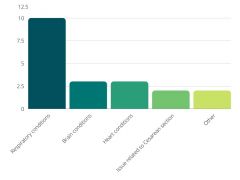
This white paper looks at the intersecton of medical vulnerability and energy insecurity.Read more
On March 30, PECO
submitted a rate increase request to the PUC which would provide with PECO approximately $246 million per year, a boost of roughly 7 percent. If the entire increase is approved, PECO estimates the average residential customer, using 700 kilowatts per hour, would see their...Read more
This artifact discusses the overlap between the COVID-19 crisis and the housing and utility affordability crisis. Avila begins by citing statistics for housing and utility debt accumulated during the pandemic, and articualtes how this debt and the housing and utility crisis as a whole mirrors...Read more
Massachusetts’ new $668 million three-year energy efficiency plan is awaiting approval from the state Department of Public Utilities. This plan include provisions to increase outreach and expand eligibility in underserved communities and pay utilities for providing services in these...Read more